Among Western PA social service providers, it’s well-known that there is one turn-to organization for residential placement of the most challenging, intellectually disabled individuals.
In the heart of Clarion County, Pennsylvania, a quiet but remarkable organization has been transforming lives for nearly a quarter of a century. Training Toward Self Reliance, Inc. (TTSR) doesn’t make headlines or dominate social media feeds, but its impact resonates deeply with the hundreds of individuals with intellectual disabilities who call its residential homes and day programs their community.
For TTSR, the mission is simple in words but profound in practice: help each individual live as independently, joyfully, and safely as possible. For those who pass through the agency’s doors, whether residents, family members, or staff, the experience is one of compassion, resilience and extraordinary commitment.
A Vision Rooted in Community 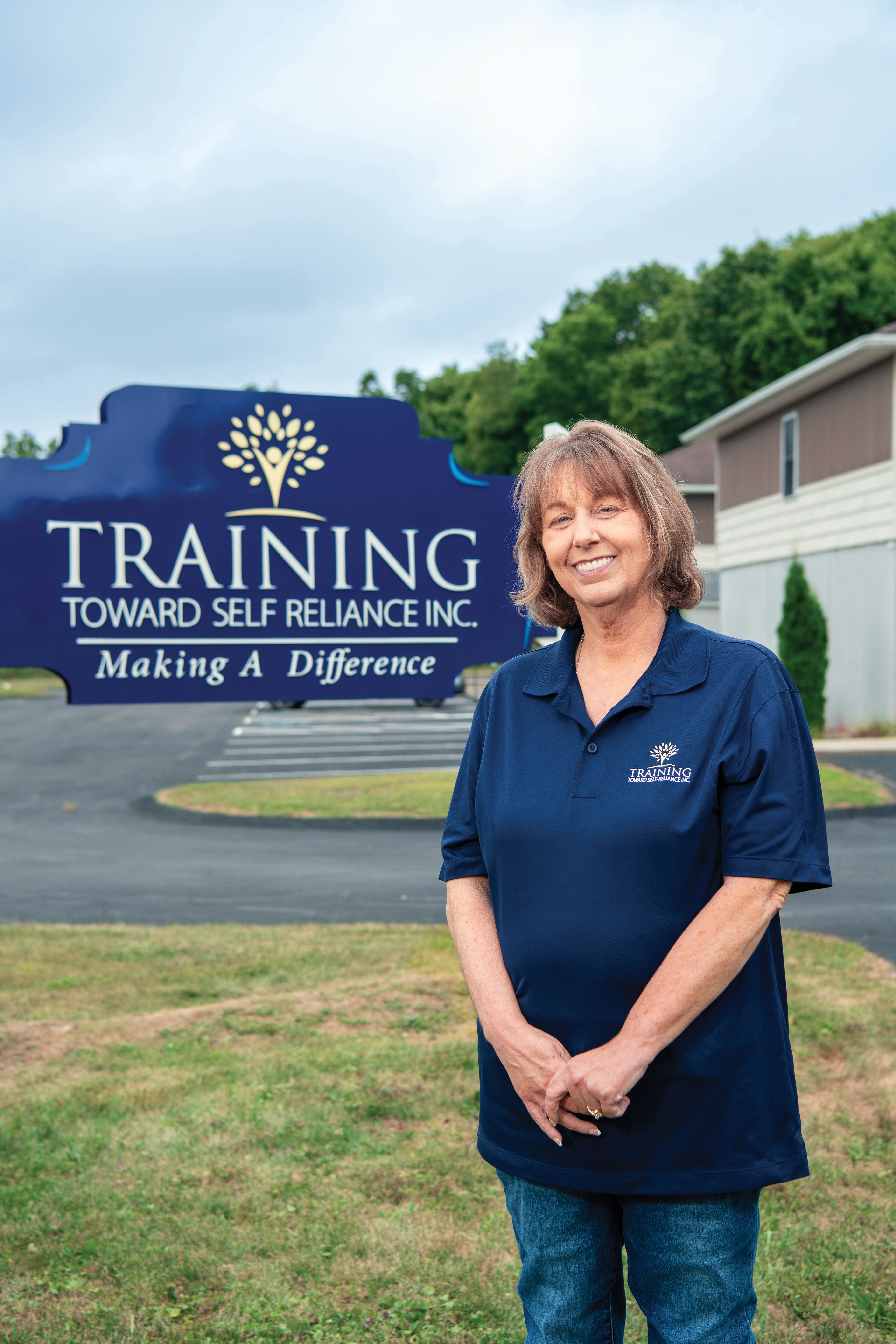
TTSR opened its doors in 2001, with the vision of creating small, family-style homes for people with intellectual disabilities. From the beginning, the organization resisted the institutional model that had too often defined this kind of care. Instead, it focused on intimate homes, never more than four residents, spread across rural western Pennsylvania.
Today, TTSR operates 27 residential homes, serving individuals whose intellectual disabilities range across a broad spectrum. Some are non-verbal and need assistance with the most basic tasks. Others hold community jobs, from working in nursing homes to restaurants. All are encouraged to participate in community life, from bowling and Special Olympics, to day programs where they practice life skills such as cooking, cleaning and personal care.
Tammy Nelson, CEO recalls how her own introduction to this field was almost accidental. After returning from Hawaii, she took a job working with individuals with disabilities. “The joy you saw in their eyes… that sparkle when they got to be out in the community—it hooked me,” she remembers. What began as a short-term job turned into her life’s work.
Family First—Even When There’s No Family
One of the heartbreaking realities TTSR confronts daily is that many of its residents have little or no family involvement. Some were abandoned by families exhausted from years of caregiving.
In those circumstances, TTSR steps in not just as a service provider, but as family. Staff members regularly bring residents home for the holidays. Some are on texting terms with residents who need reassurance at night. “You’re their person,” Tammy explains. “If you let them down, there may be no one else. That’s why we can’t fail them.”
It is this sense of family that keeps staff, many of whom have been with the organization for decades, devoted to the work. Matt Gladin, Assistant Director, has spent 22 years at TTSR. His primary role is incident management, which means he is often at the frontlines of the hardest moments. But what keeps him going are the successes.
He recalls a time when residents might require 200 restraints in a single month to keep themselves and others safe. Today, that number has dropped to five or six for the entire agency. “To see someone go from a hundred restraints a month to none over six months—it’s miraculous,” he says.
The Staff: More Than a Job 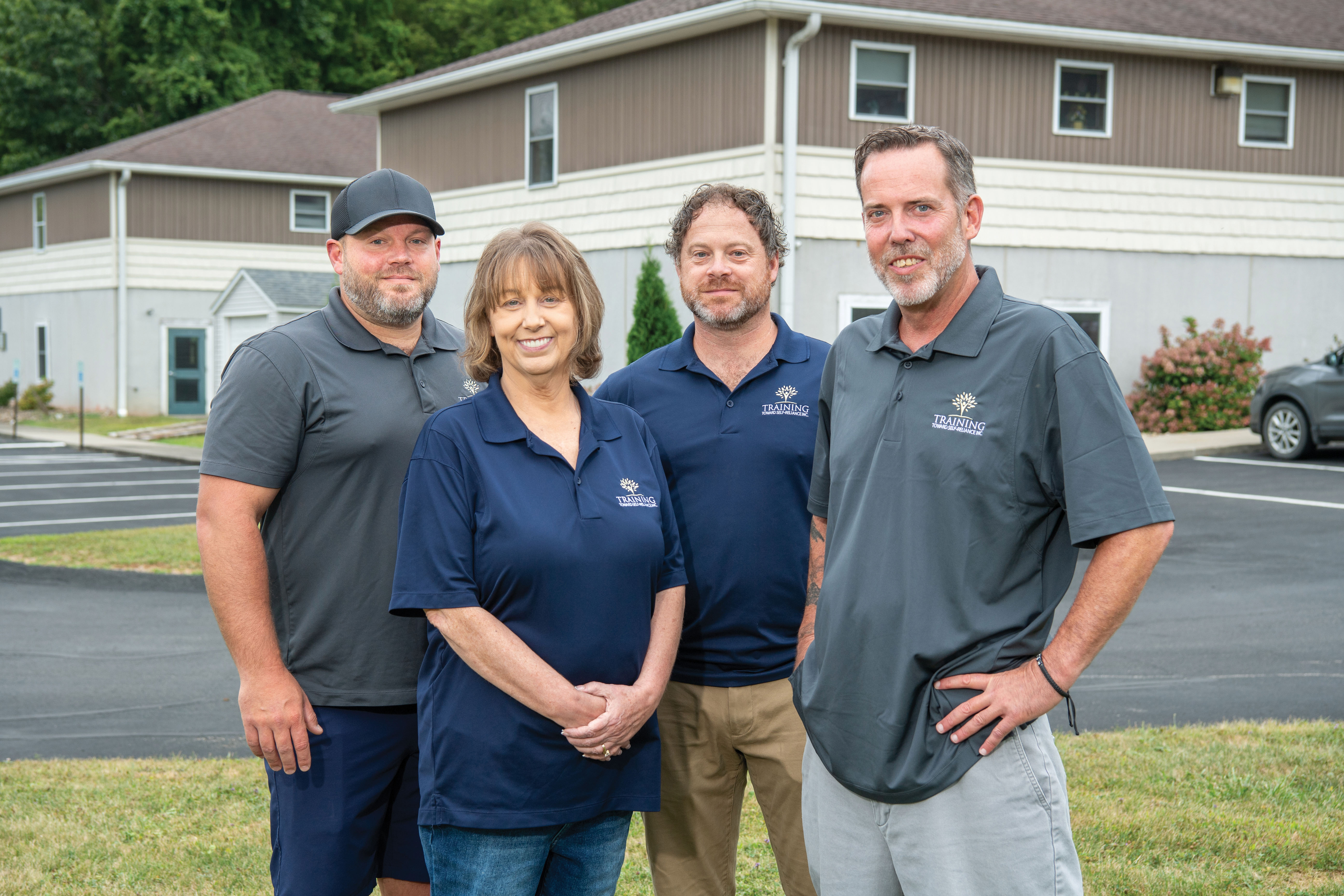
Ask anyone at TTSR what makes the organization work, and the answer is always the same: the staff. From direct-care workers to administrators, nearly all of them started on the frontlines, working in the homes, caring for residents, and sometimes enduring the difficult moments that come with this field.
Josh Altman, Chief Compliance Officer, says those years of direct care shaped his entire career. “It taught me patience. It taught me to listen, and it showed me that the individuals don’t see us as staff—they see us as family.”
Curtis Altman, who began as a high-school co-op student at TTSR and now directs human resources, puts it simply: “You get close with the individuals. For those who stick it out, it becomes just like being with family.”
That “family” ethos extends to the workplace itself. Unlike some agencies where leadership can feel distant, TTSR’s administrators keep their doors open. Staff don’t need appointments to talk to the CEO or directors, they can simply walk in. “We’ve all been there,” Curtis explains. “When staff come to us with concerns, they know we understand because we’ve lived it.”
Financial Pressures and a Trusted Partner
Like every social services agency, TTSR faces unrelenting financial challenges. State and Federal reimbursements, which cover most of the organization’s expenses, are recalculated only once every three years. Inflation and rising costs outpace that funding, leaving agencies like TTSR constantly scrambling to make ends meet.
“You can go to Sheetz and make $15 an hour without getting spit at or pinched,” Tammy notes candidly. Recruiting compassionate staff into a demanding, often underpaid field is a daily struggle.
That’s where community partnerships have been crucial. For decades, Farmers National Bank has been a steadfast ally. TTSR’s payroll accounts, fundraising accounts, automobile loans, and even its line of credit are all managed through the bank. Leaders describe the relationship as not just transactional but deeply supportive. “We’ve been with Farmers as long as I can remember,” says Tammy. “We go there weekly. The staff and managers are always so helpful.”
“Farmers is honored to have an enduring relationship with TTSR,” says Fred Port, Vice President, Commercial Banking at Farmers. “Tammy and her team represent the best of a successful non-profit culture: they treat the business aspects of their operation with professionalism and treat their residents with a very human and personal touch.”
Dreams for the Future
When asked what they would do if resources were no object, TTSR’s leaders don’t hesitate. They dream of a multi-purpose building that could house a gym, basketball court, and event space. Today, the agency has to rent facilities for staff training or holiday gatherings. Having a space of their own would mean not only savings, but also a permanent hub for residents to gather, exercise and celebrate.
Equally important is finding and keeping the right people. Yet leaders believe the right staff are out there: people with patience, empathy, and a good heart. “It’s not about money,” Curtis explains. “We look for people who will truly care, who will make sure our individuals live a good life.”
The Reward That Keeps Them Going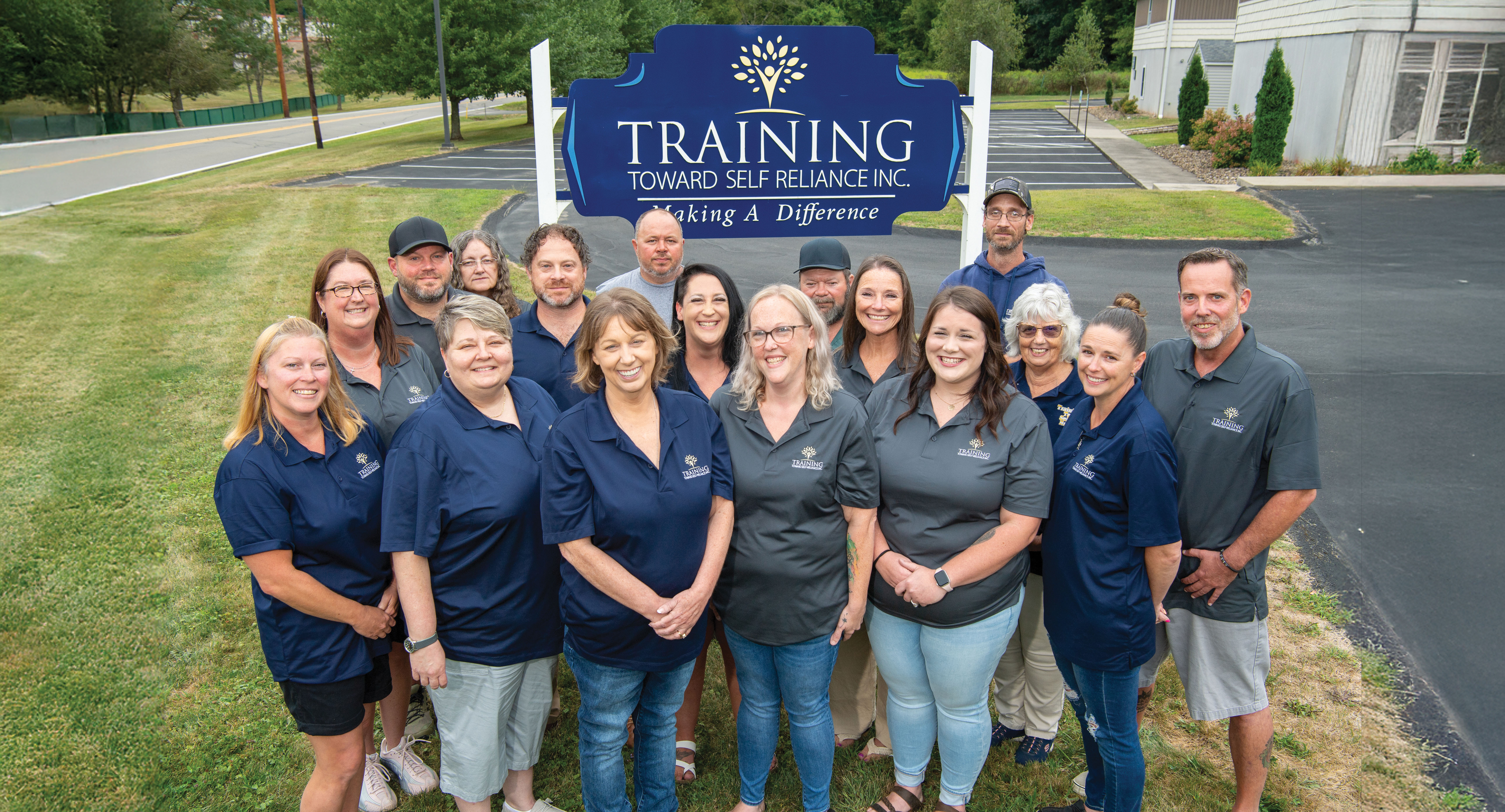
The work is undeniably hard. Staff members sometimes go home with bruises. Yet, ask anyone at TTSR why they stay, and the answers are deeply human. “It’s the hope you feel when you know you’re helping someone,” Tammy reflects. “For some, we are the only family they have. That’s why we can’t let them down.”
For the residents, the reward is clear: a safe home, a chance to grow, and people who see them not as clients but as family. For the staff, the reward is quieter but no less real: the joy of witnessing transformation, the pride of knowing their work matters, and the warmth of being part of something larger than themselves.